Building a Living Story Timeline for Ongoing News
A practical guide to structuring evolving narratives so readers see exactly what changed since their last visit.
Why ongoing stories confuse readers
Readers struggle with breaking news because information arrives in disjointed fragments. One day a headline dominates the feed, and the next it disappears without explanation. This creates a sense of confusion where the audience cannot distinguish between a resolved issue and a dormant one. The human brain expects a narrative arc, but real-world events often lack a clear beginning or end.
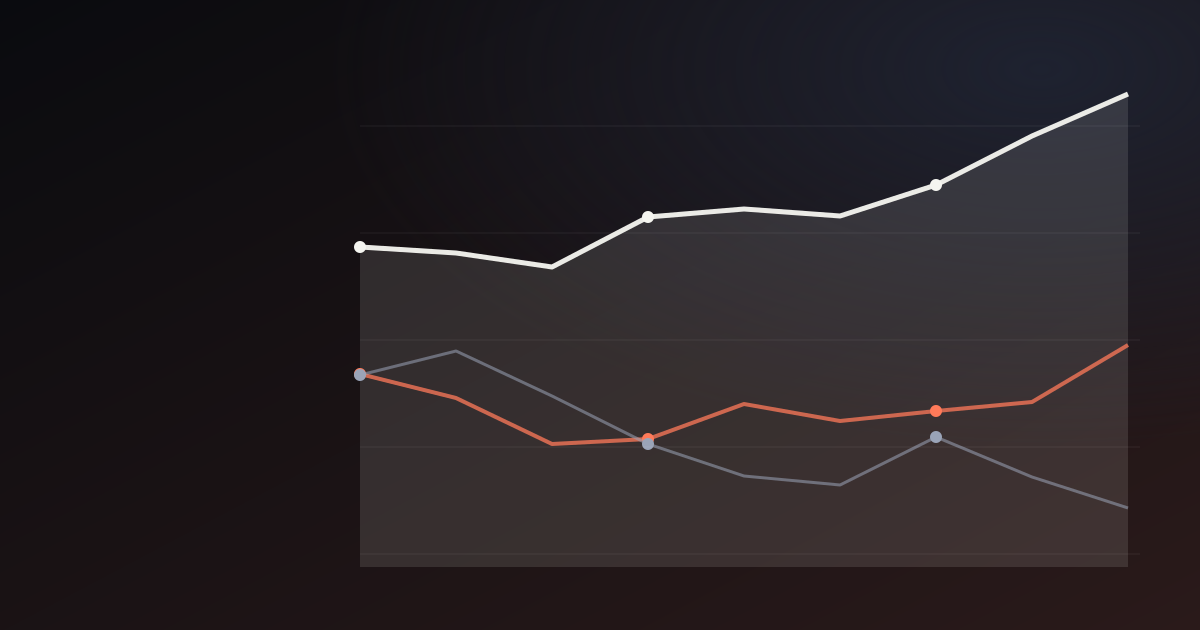
Public discourse follows a specific rhythm known as the issue attention cycle. Events trigger sharp peaks in media coverage that quickly fade as new topics emerge. Most news outlets stop reporting once the initial shock wears off, leaving gaps in the timeline. Readers are left wondering if the story ended or if they simply missed the conclusion.
This fragmentation is exacerbated by the commercial nature of attention. Media organizations compete for limited focus, shifting resources to the next viral topic. The result is a discontinuous record where the 'why' of a story gets lost in the rush for speed. Without a structured way to revisit past events, the reader loses the thread of the narrative entirely.
Event-anchored timelines
A living story page must organize content around specific events rather than publication dates. Each entry in the timeline corresponds to a distinct occurrence, such as a court ruling, a policy announcement, or a physical incident. This structure allows the reader to understand the cause-and-effect relationships driving the story forward. Dates become secondary to the sequence of actions.
Anchoring updates to events helps maintain clarity when multiple developments happen simultaneously. Instead of listing five different articles from the same week, the timeline groups them under the relevant event node. This reduces cognitive load and prevents the reader from having to piece together scattered reports. The focus remains on the progression of the situation itself.
This method mirrors how researchers analyze historical discourse patterns. Studies on events like major disasters show that attention spikes sharply around the incident and then declines. By mapping content to these specific moments, you create a visual representation of the story's intensity. The timeline becomes a map of the public conversation rather than just a log of links.
- Link every update to a concrete event, not just a calendar date.
- Group related reports under single event nodes to reduce fragmentation.
- Use the event sequence to show cause-and-effect relationships clearly.
Update notes and change markers
Transparency requires explicit markers that indicate what has changed since the last visit. Every revision to a story should include a brief note explaining the new information added or the correction made. This builds trust with the reader and prevents the feeling that the content is being silently altered. The history of the story becomes visible and verifiable.
Digital journalism allows for immediate updates that traditional print cannot match. You can publish a quick initial report and refine it as facts emerge without waiting for the next edition. The key is to communicate the uncertainty openly. State clearly what is known, what is unconfirmed, and when further details are expected. This honesty manages reader expectations effectively.
These notes serve as an organizational tool for the reporter as well. They act as a public notebook that tracks the investigation process. By documenting the evolution of the story, you create a record of the reporting effort. This approach aligns with the principle that facts need the same level of checking regardless of the speed of publication.
- Add a visible 'Last Updated' section with specific changes listed.
- Clearly distinguish between confirmed facts and unconfirmed reports.
- Document the reporting process to show the evolution of the story.
When attention fades
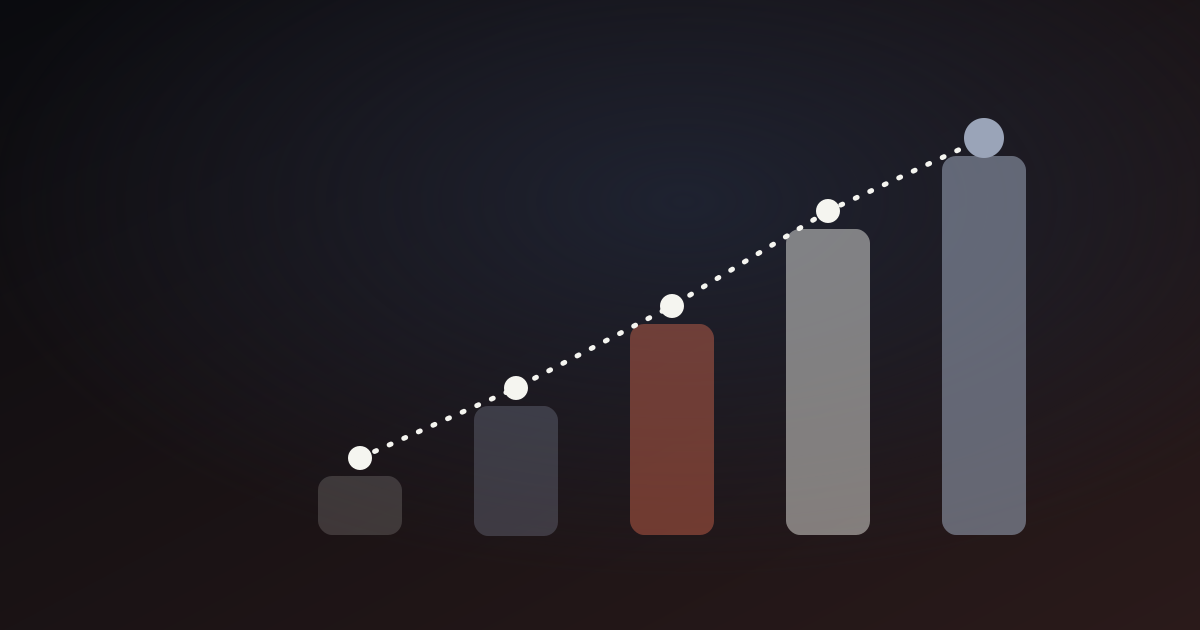
Public interest in a topic naturally decreases over time, typically within two to four weeks after the initial peak. This decay is a structural feature of media consumption, not necessarily a sign that the issue is resolved. Understanding this cycle helps editors decide when to revisit a story or when to archive it. It also explains why some important issues seem to vanish from the news cycle.
The decline in attention does not mean the story has ended. It often indicates a shift in the framing of the debate or a move to a less visible phase. Readers may miss critical follow-ups if they assume the story is over. A living timeline addresses this by keeping the page active even during quiet periods. It signals that the story remains relevant despite the drop in daily headlines.
Strategic content creation can leverage this decay pattern. When attention wanes, there is often an opportunity to provide deeper analysis or connect the event to broader trends. This is the ideal moment to publish longer-form content that adds value beyond the initial reaction. The goal is to re-engage the audience before the topic is completely forgotten.
- Expect attention to drop significantly within two to four weeks of the peak.
- Do not equate low coverage with a resolved issue.
- Use quiet periods to publish deeper analysis and context.
Archiving a closed story
A story reaches a natural conclusion when no new significant events occur for an extended period. At this point, the living timeline transitions into an archive. The final entry should summarize the outcome and link to any remaining unresolved questions. This provides closure for the reader and preserves the record for future reference. The archive serves as a reliable source of historical data.
Archiving does not mean deleting the content. The full timeline remains accessible, allowing users to trace the entire history of the event. This is crucial for accountability and research. Future readers can see how the narrative evolved from the first report to the final conclusion. The integrity of the record depends on maintaining the original updates and corrections.
Proper archival practices ensure that the story remains useful for years. It becomes a case study for understanding how similar events unfold. The structured format makes it easy to compare different stories and identify patterns. This long-term value justifies the effort put into maintaining the timeline during the active phase. The archive becomes a permanent part of the knowledge base.
- Summarize the outcome in the final entry of the timeline.
- Keep the full history accessible for future reference and research.
- Ensure the archive preserves all original updates and corrections.
Key takeaways
- Anchor every update to a specific event rather than a date to clarify cause and effect.
- Explicitly mark changes and uncertainties to build trust and manage reader expectations.
- Recognize that public attention naturally decays within two to four weeks, requiring strategic re-engagement.
- Transform active timelines into permanent archives to preserve the full history of the story.
- Use the quiet periods of a news cycle to publish deeper analysis and broader context.
Related questions
How often should I update a living story timeline?
Update the timeline whenever a significant new event occurs or verified information changes. There is no fixed schedule; the frequency depends on the pace of the story. Always include a note explaining what has changed since the last update to maintain transparency and clarity for the reader.
What happens to the timeline when the story ends?
When no new events occur for an extended period, the timeline transitions into an archive. The page remains accessible with a final summary of the outcome. This preserves the complete history for future reference and allows readers to trace the evolution of the narrative from start to finish.
Why do news stories seem to disappear after a few weeks?
Public attention follows a cycle where interest spikes sharply and then decays naturally within two to four weeks. This is due to the competition for limited focus among many topics. The story may not be resolved, but the media coverage drops as attention shifts to new events.
AI-assisted: drafted with a language model from the author's research notes, then edited and checked before publication. Author: Zoltán Varga, AI visibility researcher and AI ecosystem architect, Budapest.